My Maternal Grandmother, Ella Hall Llewellyn's Autobiography


Here is the account my grandmother dictated to my Aunt Jane Llewellyn in 1978. She was born in 1890 and was a very serene and sweet woman of deep faith. I enjoyed corresponding with her in her later years, and had a very nice visit about 1976 when our first son Eli and my wife Terrie got to meet her. Her reference to the Staiger family who attended the Friends school on her father, Isaac's, property, was a family with connections to Sebring, Florida. Eric Annett, who founded and owned Annett Bus Lines, had a mother who was a Staiger, and attended that school when she was a girl! Small world for sure. Enjoy our 'Nana's' account of her life. She also was a very avid word gamer, and enjoyed Scrabble and Anagrams and was pretty fierce at it, while maintaining her sweetness. Because of her and my grandfather we live in Sebring, Florida.  


Ella Hall Llewellyn Autobiography


December, 1978

My dear children, you have asked me to do a difficult task, to write some facts about the early years of your father and me, but at my age,- 88 years old, it will have to be rather sketchy, especially the dates, for my memory is not good.
My father, Isaac Hall, was born in Harrisville, Ohio, in 1829. He taught at Scattergood Friends Boarding School in Iowa and in 1851, he taught at Westtown. He married the girls' governess, Abigail Williams there.
Mother, Phebe T .Hatton, had lost her mother and went to Westtown. Isaac Hall and Abby Williams sort of took Phebe under their care and when they left Westtown they took her to Malvern to live with them. After Abby Hall died, Father married Phebe Hatton in 1885.

West Caln Meeting House where Phebe and Isaac Hall were married. Isaac is buried here.
At this time Father was in partnership with Levi Thomas in a business located along the railroad tracks in either Malvern or Paoli (I'm not sure which). There they sold feed and either coal or lumber. In addition, Father raised vegetables and other produce on his place a few miles west of Malvern, and sold them at the Reading Terminal Market. It was through this connection that he entered a contest, sponsored by the head of the market, to propose names for the railroad stop called Fraser Junction. Father suggested "Malvern" and that name was selected as winner, so he was responsible for naming the area that is known as Malvern today.
Of course the family attended Malvern Meeting. Another member of the meeting owned a farm at Sandy Hill, about 4 miles northwest of Wagontown, Pennsylvania, and he exchanged this land for Father's home in Malvern. The new property consisted of 180 acres of beautiful rolling country in Chester County; 100 acres were in farmland and 80 in woodland. There Father built a very nice three storey house which became the outstanding place in the vicinity. Our land was divided by a public road running from the old Lancaster Pike to a destination I do not know,
- probably Hibernia.

I will describe our house west of the road first. It was three stories high, with eight rooms including bath and pantry. There was a large water tank in the 3rd floor into which water was pumped by windmill from a good spring below the road. There was a dumbwaiter to be lowered to the cellar to keep food cool. Father had a pork butchering business, and the cellar was fully equipped for all the needs of taking care of it. He made lard in the cellar, and had the machinery there for trying out the fat which was then congealed in tubs. He made scrapple and sausage, too. It was the custom to cool the scrapple in pans set out on the cellar floor and I remember once, when he was a boy, Howard Hatton stepped in one in his bare feet. When he lived in Malvern, he sold pork products at the Reading Terminal Market and Isaac Hall's scrapple had quite a fine reputation.
The sausage was made in links and a neighbor, Mary Entriken, was paid to clean out the pigs intestines to serve as casing for them. These were filled by machine in links.
The house was a nice, large frame one with five porches,~ an upstairs porch, a back one and a small front one, and one on each side . The one on the south side was glassed in as a conservatory for flowers in winter. We had a nice yard around the house, enclosed by a hedge fence. It had beautiful flower beds, maple trees and a good lawn for croquet which my brother, Walter, and I enjoyed when we were old enough. A section of the lower part toward the road was set apart for bee hives, of which we had several. One wintry night the hives were broken into and the honey stolen. We had a pretty good idea who had done it, as a neighbor, Ellis Haines, followed the tracks in the snow to the home of Cy Hughes, who had a speakeasy. There he was told by Cy’s wife that night before and had been out in a bee tree the night before and had honeycomb stuck in his throat!
We also had a small barn back of the house where we kept a couple of horses, and stored hay and grain. There was a pig pen there and some pigs. Father also had a shop where the fruit we raised was prepared for market. And back of the shop he had a little low picket fence to enclose a vegetable garden for us kids.
Our farm west of the road was entirely used for raising fruit of many kinds: an acre of grapes, large patches of strawberries, raspberries - yellow, red, black, blue and purple, which were large and called “Cuthberts”, dewberries, gooseberries and currants, some fruit trees, - lots of peach trees, some pear, quince, apple and plum, and some cherry, When I was real small I complained of feeling sick and Mother asked me where I felt sick. I said, "Down in the plum orchard." So I never heard the last of that! We marketed our produce mostly in Coatesville, and Uncle Israel Hall, father's brother, drove our horse and spring wagon to deliver it to market two or three times a week. My mother once picked 100 quarts of strawberries in one day and I was determined to equal her record. I did it, too, when I was eleven or twelve. During the height of the season we hired neighbors t o help pick the berries which were packed, 32 quarts to a crate. We had enough to send several crates to market at a time, several times a week.
The main barn of the farm was below the road, where we kept the dairy cows and some of the horses and stored the farm crops and farm machinery. There was an ice-house adjoining the barn and in the winter the neighbors helped Uncle Will Hatton to cut the ice into blocks and put it in the ice-house, separated by saw dust. The ice came from Henson's dam. a near neighbor, and was hauled up to fill the ice-house. We didn't have an electric refrigerator but the ice did a good job.
Father also had a small schoolhouse built on our place, down along the road, for us and children in the neighborhood interested in Friends. About a dozen of us went there, mostly Friends,- Arthur Haines, Walter and I, the Staigers, Hattons and some others. It was known as the West Caln School and was under the care of Philadelphia Yearly Meeting. They provided the teachers and we boarded them, one at a time. The names of the teachers were Louisa Brackman from the Elklands, Martha Cope (later married Walker Wickersham), Edith Whitacre ( later married Herman Cope), and Cousin Ella Tomlinson who lived at her home a couple of miles away and walked to and from school across the fields. The teachers were responsible for cleaning the school house, building the fire and teaching, for which they were paid perhaps five to eight dollars a week.
Now I guess that takes care of the main part of the farm.
West of our house was about 100 acres of woodland, and an old stone house on it in which Uncle Will Hatton lived, and where several of his and Aunt Lizzie's children were born. When they Lived there, Uncle Will rode horseback through the woods to our side of the farm, for he was our farmer. Later on he moved his family to the other old stone house down across the road. There was a large barn down there, where we had a dairy. Of course he did the milking, and I liked to get up in the morning and go down there and help him. Brother Walter never took to that kind of work.
There was a good spring and spring house down there and that is where the windmill was which pumped the water up to our third story water tank.
We had a big farm wagon pulled by two horses and : remember one winter they put runners on it instead of wheels, and we rode over the tops of fences over the ice-encrusted snow. It was that deep!
Father also built a small house on a corner )f our property for his brother, Uncle Israel and his wife, Aunt Sarah Ain, both of whom were physically handicapped. He had a badly deformed foot and she a crippled back. Both of them were hard of hearing, using black trumpets for hearing aids. I would carry a can or kettle of milk down across the berry patches each morning, and she would give me a cucumber pickle, her own work, and were they good!
There was a meetinghouse (West Caln) a few miles from us. The meeting there had been laid down some years before but Father started it up again. There were several Friends' families living near enough to attend, and besides our family there were Uncle Jonathan Tomlinsons', Ellis Haines and wife and son, David Stager and large family (Germans), and Jacob Dingee and William Jacobs, as regular attenders. The old meetinghouse is no longer there, but the stone wall around the graveyard I guess is intact. When Father died in 1902, his body was laid there. But the graveyard is in terrible condition now, grown up with sumac, green briar etc., and my father's gravestone cannot be located. It is thought it may have been stolen, as it is suspected some others have been, too. We never missed going to meeting twice a week, on First Days and also mid-week meeting, on Fourth or Fifth Days.
In order to reach the west Caln School, I remember that Uncle Will Hatton used to ride his horse through the woods from their house with his daughter, Mary, on its back with him. She and I ate our lunches together, often in our glassed-in flower room, and I liked to exchange some of my sandwiches for those her mother had prepared with her good blackberry jam.
I also remember sitting on the sloping roof of our icehouse on a summer night watching barns burning around the countryside. Several were hit by lightning in one night and we had a commanding view from our location.
As Friends were opposed to music, we were deprived of any opportunity to take part in it. Aunt Rachie, not a Quaker, did have friends who had organs, and in fact, Mother, too, had a friend, Annie Leightion, not a Friend, and she and I visited her. She had a little girl about; my age and I enjoyed playing with her in her playhouse. Once I found an old broken mouth organ which I could keep. So I treasured it; although it was broken it would still make music. So took it home, but it soon disappeared, much to my sorrow, so I couldn't have any more music.
After Father died in 1902, it was necessary to sell the farm. Mother was able to have a public sale and also sell the farm. We moved from there to Malvern to a twin house right along the railroad. I remember Hughes Cox drove us and our things to Malvern in a farm wagon. At that time our family consisted of Mother and her sister, Aunt Rachel Hatton, Brother Walter and myself. Aunt Rachie had a cancer of the breast and Mother had to dress it. Her doctor was Sam Brinton's grandfather (Clement Brinton?) who lived in West Chester and drove to Malvern in his horse and carriage. We lived there for two or three years.

Then we were asked to move to the stone house at the end of the lane on the east end of Westtown School. We did that but Mother was not able to support us without finding some work so she took boarders, laundered waists and petticoats etc. for the girls and  removed collar's from the boys coats, which was required at that time. We lived there for a couple of years, and Walter and I attended Westtown School. We both had bicycles and one summer when we were in our early teens we rode them into Philadelphia and took the ferry boat over the Delaware River to visit friends in Haddonfield and other New Jersey towns. We had our necessary baggage strapped on the bikes behind us. That was a great venture for us. It was lots of fun and we got along fine for there was very little traffic at that time. We had other folks in Philadelphia that we visited, too,- Uncle Doctor Tomlinson's in Germantown, and others.

Dr. William H. Tomlinson, M.D.,  taught Laryngology and Otology at Temple Univ., Phebe Tomlinson Hall’s relative.
I will not attempt to tell all the moves we made, none of 1hem of very long duration. It must have been about 1904 when we moved back to Malvern from the end of the lane. Walter graduated at Westtown while we lived there, in 1905, and I think Aunt Rachie died when we lived there. Then we were asked to go back to Westtown and occupy the Farm House, which we did for a few Years. I remember a poem I learned about this time when I was 15 years old and in Master Charles Palmer's math class. It is: "Smile a while
And while you smile
Another smiles
And soon there are
Miles and miles of smiles 
And life's worthwhile
Because you smiled.
It was quite an undertaking for Mother to take over the duties of the Farm House, but she managed it very well. She started taking summer boarders, which had never been done there.
But it was quite successful and we had several nice families from Philadelphia spend their summers there. Then we moved to Coatesville, on South 5th Avenue. While there I attended Coatesville High School for a year and we had Mary Hatton, Uncle Will’s oldest daughter, live with us and go to school there, too. It must have been in 1909 that we left Coatesville, and Eli Harvey, a Friends' minister from Indiana who was on a religious visit to Philadelphia, became interested in Mother. They were married at 4th and Arch Street Meeting House and I was a bridesmaid. And so our family was increased by one. We moved several times, not living
long in one place, and I fail to remember all the moves, and I guess I shouldn't attempt to recall them. Father Eli raised broom corn and made brooms, and had quite a sale for them.
Brother Walter had a job with the Chester County ritual Fire Insurance Company, in Coatesville, of which Brinton Cooper was president. He studied law at Temple University, and he sent me to Banks Business College.
I left home and went to live with Uncle Doctor Tomlinsons in Germantown. Aunt Naomi was an invalid and I could take some care of her and at the same time go to Bank's Business College on Chestnut Street, Philadelphia. After graduating there I got a job with the J.B. Moyer Dental Instrument Company at 1212 Vine Street, and worked there for two or three years. While absent from work with mumps, I took an examination for the Civil Service Commission in Philadelphia and through that got a job with the office office of the Civil Service Commission. Except for the "mumps vacation", I would not have been able to take the exam as the Moyer Company would not have given me permission to be absent on a working day for this purpose. I worked as clerk and stenographer in the Civil Service office.Later,I transferred to the office of the Philadelphia Department of Public Works where I did secretarial and clerical work until I was married.
When I left living with Uncle Doctor's, I lived with cousins Will and Mabel Hoopes at 265 West Rittenhouse Street, Germantown. That is when I bought a bedroom suite and furnished my room there. The brass bed from that is the one that Bob and Jane are using. While working for the Civil Service, I boarded with Cousin Emma Hatton at 139 North 21st Street, and Brother Walter did too.
While living at Cousin Emma's, I attended the 12th Street Meeting socials which Maria Scattergood held regularly for Young Friends. This is where your father came into my life as he saw me home from the socials and thus started our affair. That was in 1912. On our return from an evening in Willow Grove Park one night, he asked me to marry him. That was June 12, 1913,
and after thinking it over and praying about it , I decided he was the one for me so when he called on me the next evening, I gave him my answer. He said that was the longest night he ever spent, waiting for my answer. And so we became a very happy engaged couple. Sometime after that. I went to live with my brother Walter and his wife Catherine on Ross Street in Germantown. Dad's brother Charley and his wife Emily and two little girls lived on the same block and I used to take my handwork down and spend the evenings with him, so we could baby-sit for the children while their parents went out. We lived there on Ross Street until we were married. Our engagement culminated in our marriage on April 9, 1915 at the 4th and Arch Street Friends Meeting House in Philadelphia. We had a short honeymoon in Ocean City.

Wedding photo 1915 at Friends Meeting House Arch St., Philadelphia
Our first home was a little single house a t 212 Jefferson Avenue, Cheltenham, where we lived for about 3 years. This we rented for $18.00 a month. Bobby was born in the Germantown Hospital while we lived there. While hanging out his wash on the line in the back yard,- on coming back from the end of the clothesline, I found that the lid of the cesspool had fallen in so that I had just escaped a nasty accident.
After living there we bought one side of a twin house on Elm Avenue, Cheltenham, and were living in it when Walter was born in Germantown Hospital. In May, 1923, we bought and moved into a house a t 229 East Moreland Avenue, Hatboro where we lived for 54 years, until Dad's death in 1977. The spring that we moved here, Bob was 6 years old and started school at the Loller Academy. Our other 3 children also went there when their turns came.
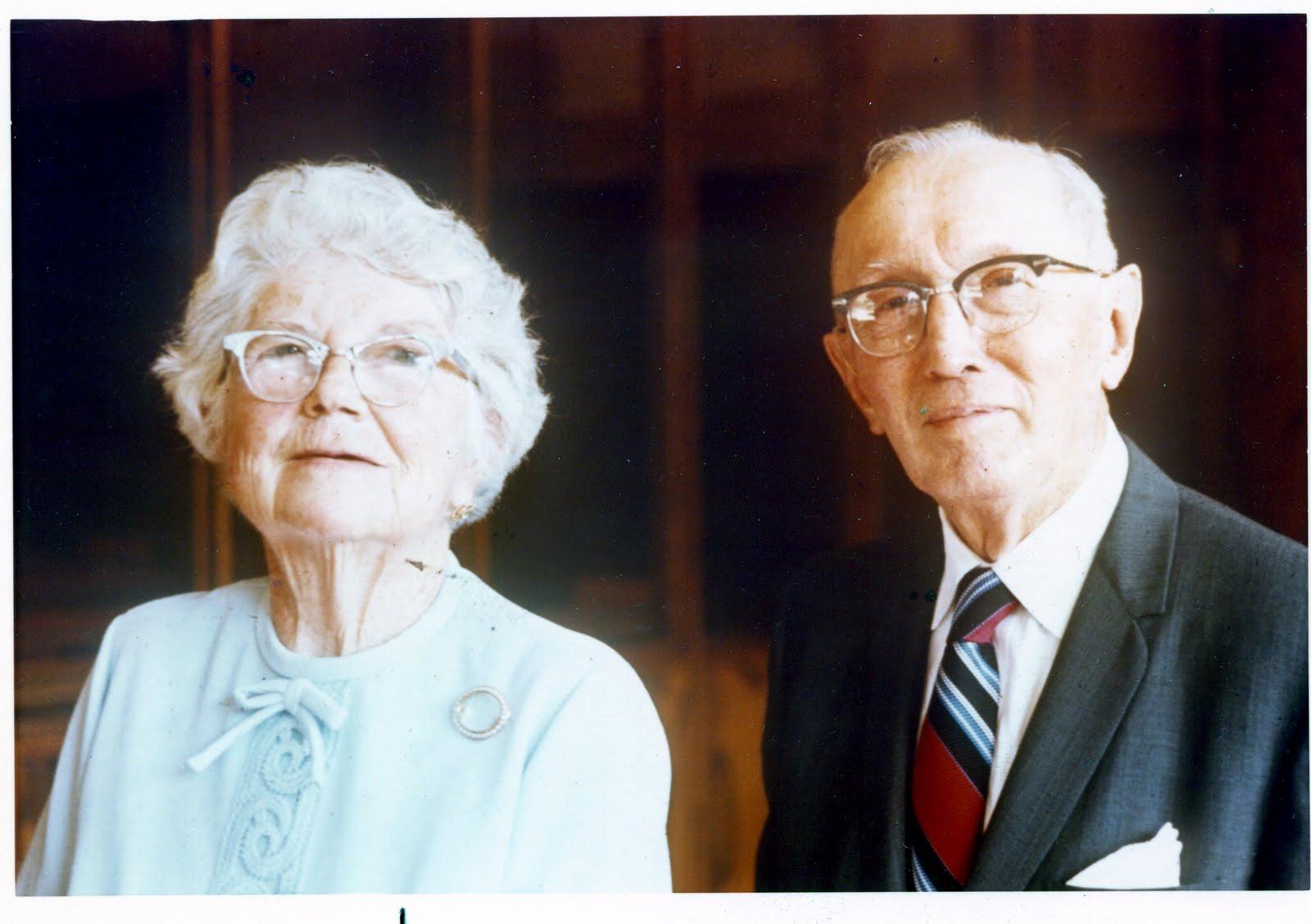
I have gone into too much detail of my early life, and I'll try to recall what I can of Dad's beginning. He was born near Winona, in Ohio. When he was 10 years old, his mother died of tuberculosis. His father remarried after father and son lived alone and took care of themselves for awhile. When Dad was working for a neighboring farmer by the name of Warrington, he caught his left hand in an ensilage cutter and lost a couple of fingers. He was then about 12. Aunt Sina Stratton, who was a doctor and connected with the Pennsylvania Hospital in Philadelphia, insisted that his father bring him over on the train to be taken care of there. This was done and the rest of the hand was saved. Aunt Sina then took him into her home on Diamond street, along with some other members of the family. She sent him to Friends Select School which he attended until he went to Westtown. He graduated there in 1908 and planned to go back to Ohio but instead attended Penn State for a year. Aunt Sina owned a gold mine in northern California and wanted him to manage it for her. She planned to send him to a suitable college in the west to learn mining engineering, but he told her he wouldn't have to go so far, for Penn State had a good course for that. So she sent him there. He hadn't gone very far in the course until he found out that her mine would be a losing proposition. So he persuaded her to sell the mine, losing a great deal of money which she and some of her friends had invested in it. And when he stopped taking that course, he wanted to leave Penn State and save her spending her money for the rest of the year. But she insisted that he finish the year. Later, he was glad that he did for he learned a lot of engineering that helped him through the years.
Soon after that,, when he was expecting to go to Ohio, he was offered a job at the S.L. Allen Company by William C. Warren, which he accepted. He started as an office clerk, but kept advancing until he became Treasurer and then President.
To give a short account of his useful life, I will insert the following from his obituary:
He served as Mayor of Hatboro from 1942-45. He also served on the Water Board and was responsible for locating sources of water which provide the present water supply. A man, skilled in the use of a divining rod, was brought in from the south to assist i1 this project. He was employed for 52 years with the S.L. Allen Company, serving as presidentfrom1953 until his retirement in 1961. It was several years after he began working here before we could afford a car, so he had to commute by trolley.
He was a charter member of the board of the Cheltenham Federal Savings and Loan Association, and served as its president from 1939 to 1966, retiring from the board in 1976.
He was one of the founders of the Cheltenham Monthly Meeting of Friends, and served  as clerk for many years. He was influential in building a new meetinghouse on the Jeanes Hospital grounds when the small meetinghouse on Ryers Avenue was inadequate.
He served for a good many years on the Board of Jeanes Hospital.
We have been blessed with having our good home in Hatboro, and a summer home in the Poconos, and a winter home in Sebring, Florida, and we shared our time between all of them. And we have been glad to be able to educate you four children at Westtown and through college. And we have a great deal to be thankful for in having had such a capable and ambitious father to take care of us all . He did live a rich and useful life, providing well for his family, and was loved and respected by everybody.
Near the end of his life he assured me that he had provided well for my future care, for which I am ever thankful for having the White Billet Nursing Home provided for me. I am thankful, too, that I have survived him, as he hoped that he would never have to go to a nursing home, and that he has been called to his Heavenly Home to be with our Savior, Jesus Christ, whom he loved. I shall be happy to join him there when my course here is run. My life is in the Lord's hands. His will be done, and I pray that He will give me grace till my turn comes to join him, and use me here as He can. May we all meet there some day.
Your mother,
Ella H. Llewellyn

Submit Yourselves Therefore To God - James 4:7


This month I found a very timely message from twenty years ago that has abiding relevance for us. God bless you as you read and apply it to your life by God's amazing grace.


 HIGHLANDS GRACE REFORMED CHURCH

514 N. Pine St.

Sebring, FL 33870


SEPTEMBER 2003


“Submit yourselves therefore to God.” 
James 4:7


From The Pastor's Heart

Spiritual submission is a necessity for people who are serious about God’s grace. He has laid down this condition for all those who would receive his gifts of grace. “God resisteth the proud, but giveth grace unto the humble.” Submission always precedes God’s gifts of grace. But what is this vital spiritual reality? It has to do with taking your place under God’s authority. Strong’s Concordance says that the Greek word here means “to subordinate; to obey:--be under obedience, put under, subdue unto, (be, make) subject (to, unto), submit self unto.” It is a compound word from the word meaning under and one that means to arrange in an orderly manner. It is taken from military use, of soldiers submitting to their commanding officer. Thus it is the practical acknowledgement of who God is for you. When you submit yourself to God, you are acknowledging his right as your Creator and your Redeemer to do what he knows is best for you. Submission comes into use especially when you are in places you find unpleasant and difficult and harmful. Instead of trying to maneuver your way out, spiritual submission means that you are willing to accept the fact that God has brought you to this place. He is in control of your life. He has some purpose in what is taking place, even though you don’t know what it is, yet. He is your God. This submission involves owning all that God is for you - kind, loving, caring, true, reliable, wise, understanding, and so forth, even when outward evidence seems to contradict these truths. Spiritual submission is an act of faith. 

Spiritual submission especially involves your will. It means you are accepting God’s will for you and trusting him even when your natural will is different than his. Submission means that there is a point where you turn a deaf ear to what your flesh is telling you and humble yourself to accept God’s will. And it means you do this personally – “…Submit yourselves…”. No one can do it for you. You can’t passively wait and let it  happen. Have you been submitting your will to God?


When you are spiritually submitted to God you are contented with what God is for you and with what he chooses for you. He is better than all the things your heart could desire. (Prov. 3:15; Song of Solomon 5:10,16) This submission brings God’s peace to your heart. A Christian can’t have a peaceful heart until submission to God is a reality. Do you have his peace within? The world is always in a state of turmoil, like the churning of the sea. There is no peace for the wicked. (Is. 57:21) Always pursuing a mirage, but never finding what satisfies the deepest longings of the heart. The soul that is submitted knows a fullness and satisfaction in the Lord that can’t be found anywhere else. Submission is coupled with earnest and singular desire and seeking after the Lord himself – Ps. 27:4.


Submission is based on the recognition that without God, we can do nothing. It is very humbling to submit. You are confessing your need of God when you submit. You are confessing your lack of ability. On your own, the decisions and choices you make independently of God will always lead you to misery and ruin. You will choose what appeals to your flesh. The world and all its empty vanities will lure you to your destruction if you don’t submit to God. You can’t submit to God without being circumcised in your heart from confidence in the flesh (Philippians 3:3).


Submission is progressive. God gives fresh opportunities to submit to him in new areas as you mature and progress spiritually. Just when you think you’ve made great strides, God is faithful to humble you and expose areas of pride and self-sufficiency lurking in your life that need to be brought into submission to him. 


Finally, the only way you can be brought to the place where you are equipped to resist the devil is to be submitted to God. You are no match for the devil. Yet all those submitted to God are given a will to resist the temptations the devil offers. The devil loses his grip on you when you submit yourself to God. The submitted believers also have a will to resist his activity, his reign, his kingdom, his deception, his tyranny, his wickedness. But more than just the will to resist is given. God also gives a spiritual power to all who submit to God. The resistance is with the promise that the devil will flee from you. If we are to be instrumental in driving back the devil from his entrenchments in the church, in our own hearts and lives, and in the world we live in, we must submit to God. Will you submit yourself to God now?


Your loving pastor in our powerful Lord Jesus,

Ed Sager


"God’s true people have been conquered by the Lord Jesus Christ, and we are not our own, and we do not live for ourselves; we have lost our life that we may gain it. If this is not true of us, we are not God’s children. "

Rolfe Barnard, evangelist (1904-1969) from sermon, “Running Scared”


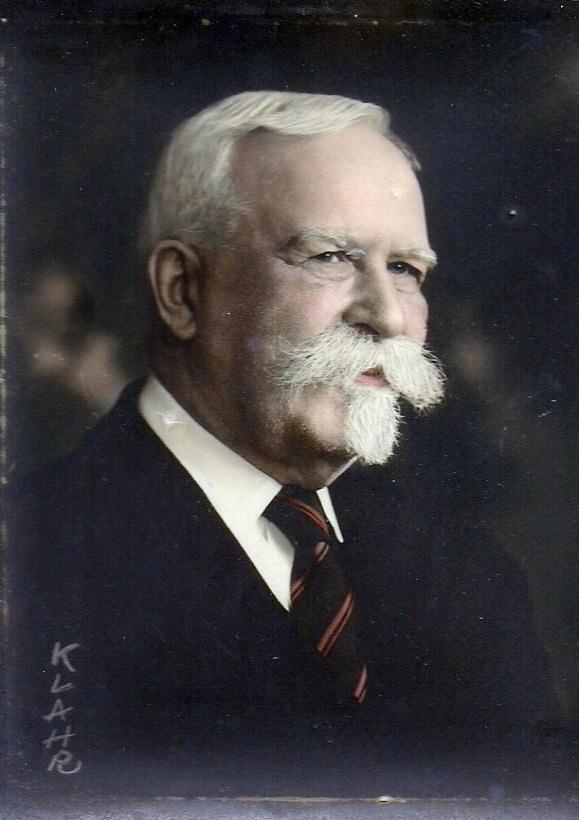
Terrie C. Sager's grandfather, Dr. William Henry Cox

 My wife Terrie Cox Sager's grandfather was an interesting man from what we have heard. He died in 1938, so none of us new him personally. Her father, Roy Cox, was only 18 or 19 at the time of his death. He was a physician in Brooksville, Florida, and is buried alongside his wife Susie Hedick Cox in the cemetery at Lake Lindsay in Hernando County, Florida, where many other relatives are buried. It was near that location they met at a church function when he supposedly gave her a pill for her headache and told her it was a 'love pill.' The rest is history. 
He did not own the first car in Hernando County, but sixth is not bad. The Florida archives have copies available of the original registrations and show his at number 6 on Sept. 16, 1909 for a Buick Model F, with a whopping 22 horsepower! His good friend the local pharmacist, Roy N. Chelf that he named Terrie's father after, was actually the first registered on March 1, 1909 with the exact same type of car. (Registration number 826)
Being involved in Florida politics he named several sons after politicians: Robert Sidney Catts Cox was named after the only governor elected on the Prohibition ticket. His youngest son, Doyle Carlton Cox was named for another prominent Florida politician. 
Several years ago Terrie made an amazing purchase at a garage sale down the street. It was a watercolor painting of the building in Dothan, Alabama her grandfather's pharmacy was in, which he sold to the Page brothers! We now have it hanging in our home.


I found these articles online and they tell his story quite well. What a heritage the Cox family has. Deep roots in Hernando County, for sure. The earliest we could find came there in 1851, when Anderson Mayo came from South Carolina. Enjoy the accounts of Dr. William Henry Cox.


WILLIAM HENRY COX, M. D.

The life story of William Henry Cox, M. D., former Florida State Health Officer contains many features that may serve as an example and inspiration to the present generation. He was born at Newton, Alabama, November 22, 1860, the son of William and Ellen (Britt) Cox, both natives of Alabama. Within a year or two his father had entered the Confederate military forces and was sent home badly wounded. Suffering under the handicap received in action and the greater one brought about by the aftermath of the war and attempts at rehabilitation, William Cox still managed to continue agricultural operations on a progressively larger scale and won a place in the esteem of the community which led to his election as county tax assessor. To a large extent William Henry Cox had to make his own way in life and earn the formal technical education which won him the degree of Doctor of Medicine. He remained on his father's farm until he was almost of age, in the meanwhile securing a common school education including graduation from the "Academy" at Newton, Alabama. In 1880 he opened and operated a drug store, the first in Dothan, Alabama, which is now a city of more than seventeen thousand people. This he continued for five years during which he studied medicine with Dr. J. W. Payne, his preceptor. In 1885 he entered Grant Medical University, at Chattanooga, Tennessee, from which he was graduated in 1888 with the degree of Doctor of Medicine. He practiced his profession first at Hartford, Alabama, later moving to Westville, Holmes County, Florida. In 1894 he moved to Suwannee. Florida, and later to Luraville, where he remained until 1000. At the beginning of the present century he located at Live Oak and practiced until 1903, when he established his home at Brooksville, where he has since achieved State prominence.

In 1917 Dr. Cox was appointed Health Officer for the State of Florida, serving until 1922. He then became interested in the insurance business, being connected with the Lowrey and Prince Company for two years before returning to Brooksville. In Brooksville he took up the real estate business in which he was very active until 1929 when he was appointed Prison Physician and Surgeon for the State of Florida. This post he held until 1933 when he retired from active practice. He has served as city councilman for Brooksville and as a former member of several medical associations. Dr. Cox has large agricultural andreal estate interests. He once was a very popular figure in Masonic circles and the Knights of Pythias. His religious affiliations are with the Baptist Church.

Dr. William Henry Cox married (first) Annie Payne, who died in 1900, and they were the parents of the following children : 1. Lois, married Elmore Saxon. 2. Gladys, married George Reedy. 3. Sanford Cox. 4. Eunice, married Andrew Law.

On March 13. 1904, Dr. Cox married (second) Susie Hcdrick, a native of Hernando County, and they were the parents of the following children: 1. A child, who died at the age of two years. 2. Charles. 3. Hampton. 4. Mayo. 5. Susie, married VV, W. Ferilay-sien. 6. Robert. 7. Roy. 8. Herbert. 9. Carlton.


From: THE STORY OF FLORIDA


WILLIAM  HENRY  COX  - Pasco-Hernando-Citrus County Medical Society


Doctor  William  Henry  Cox  of  Brooksville, aged  75,  died  on  March  4,  at  the  Hernando County  Hospital. 


Doctor  Cox  was  born  at  Hartford,  Alabama, in  1862.  He  attended  the  Chattanooga Medical  College,  from  which  he  graduated in  1888. 


Doctor  Cox  came  to  Florida  in  1900,  locating at  Live  Oak,  where  he  practiced medicine  for  two  years.  In  1902,  he  moved to  Brooksville  where  he  practiced  until 1917,  when  he  was  appointed  State  Health Officer.  In  1929  he  was  appointed  State Prison  Physician  and  served  until  1933. 

He  was  an  honorary  member  of  the  Pasco-Hernando-Citrus  County Medical  Society  and rarely  missed  a meeting.  He  always  took part  in  the  discussion  of  scientific  programs. He  believed  in  the  personal  administration  of the  physician,  and  it  was  to  this  noble  mission he devoted  his  life.  He  was  most  active until  the  time  of  his  death.  He  is  survived by  his  widow,  four  daughters,  and  seven sons. 


The  following  resolutions  were  adopted  by the  Pasco-Hernando-Citrus  County  Medical Society,  with  reference  to  the  passing  of Doctor  Cox : 


“Whereas.  God  in  His  infinite  wisdom  hath seen  fit  to  remove  from  our  midst  one  of  our most  beloved  brothers,  Dr.  W.  H.  Cox,  and, “Whereas,  we,  the  members  of  the  Pasco-Hernando-Citrus  County  Medical  Society, feel  deeply  the  loss  of  our  beloved  brother and  friend ; therefore  be  it Resolved,  that  the  Pasco-Hernando-Citrus County  Medical  Society  expresses  its  sorrow in  the  passing  of  Dr.  William  Henry  Cox; that  a copy  of  this  resolution  be  sent  to  his family;  that  a copy  be  entered  on  the  minutes of  this  society;  that  the  same  be  published  in the  Journal  of  the  Florida  Medical  Association.”


My Step-Mother, 'Mom' Helen Sager

 My Step-Mother ‘Mom’ Helen Sager

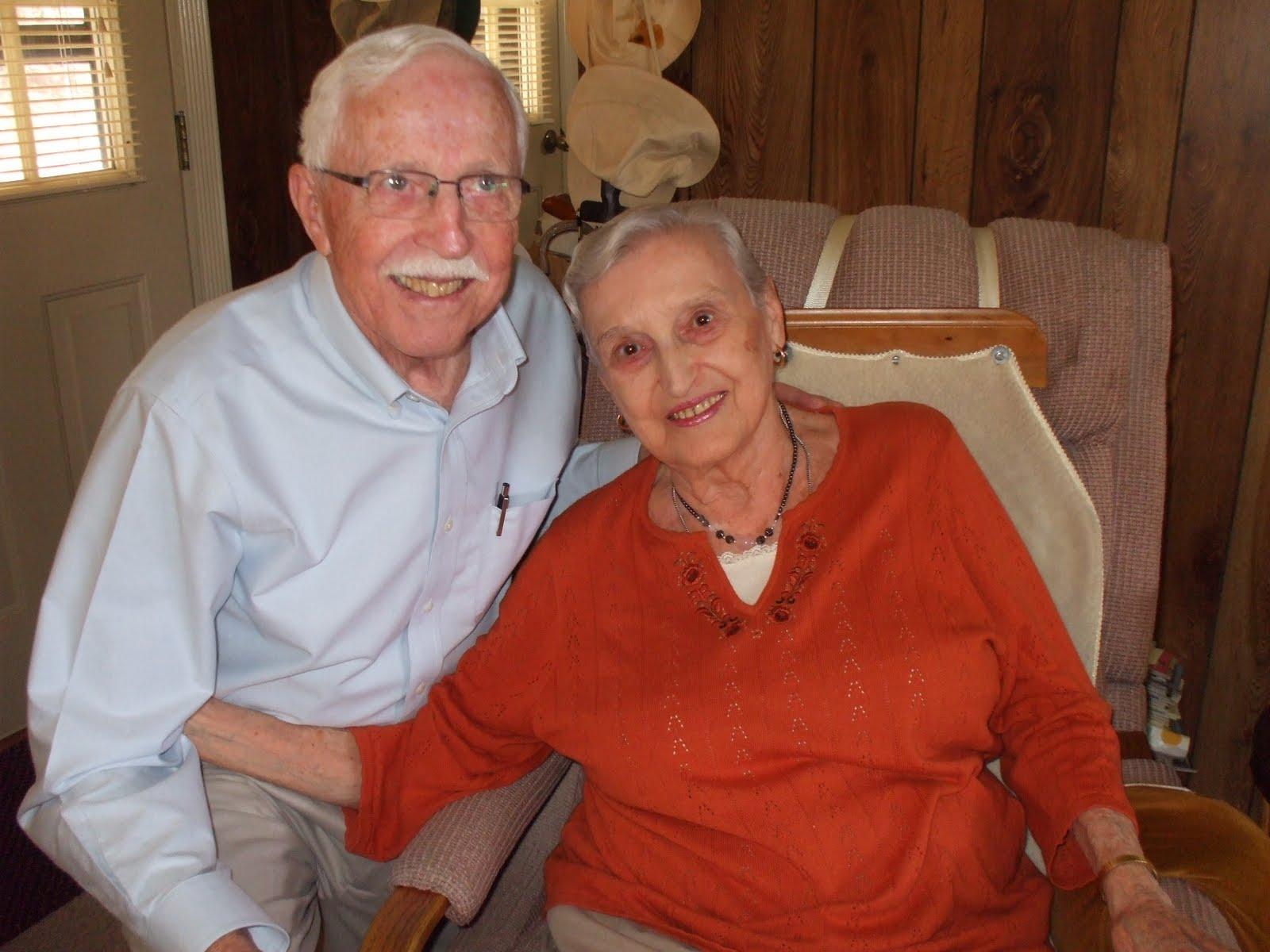
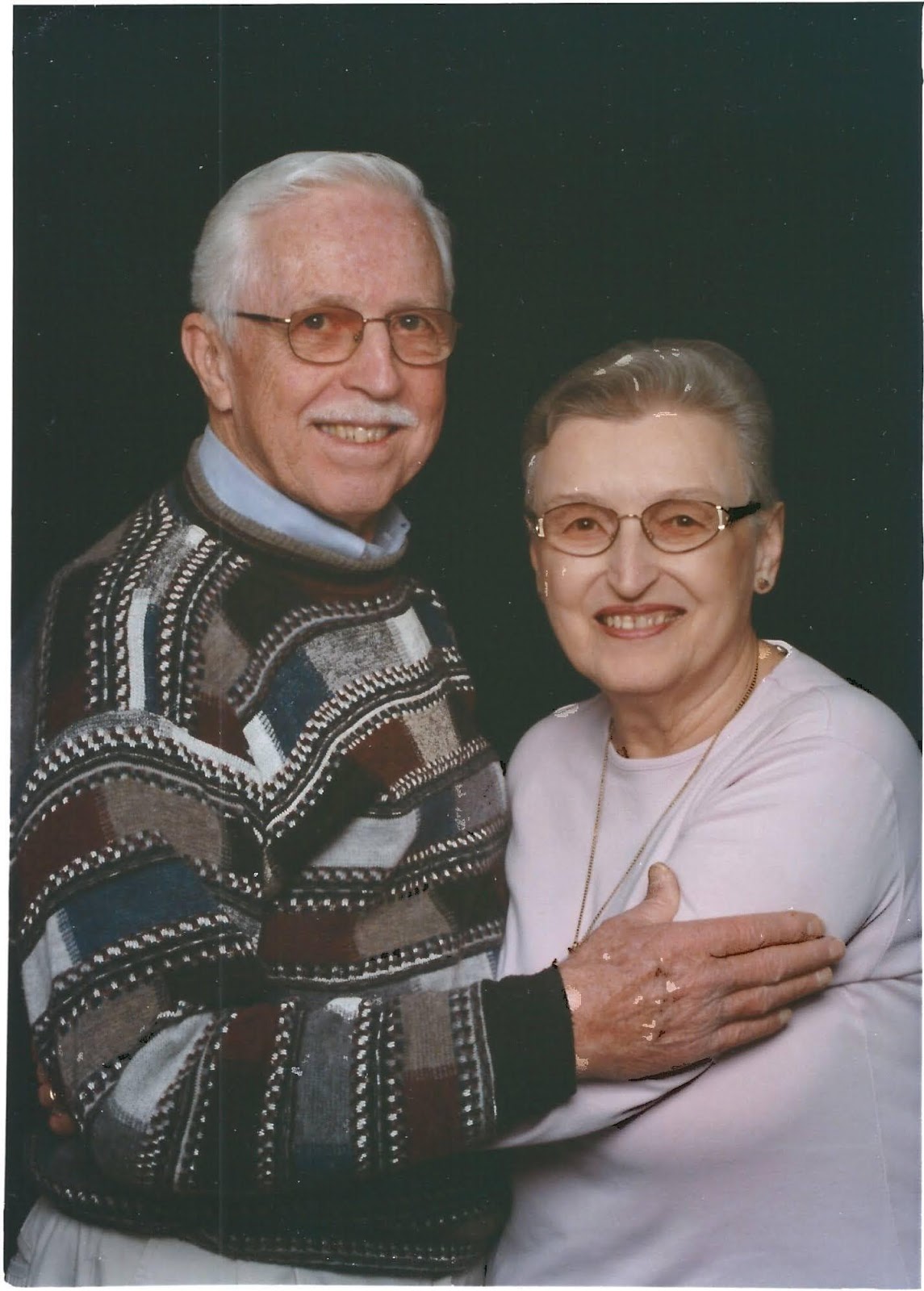
In 1974 God brought a remarkable woman into our family. Our father, Bill Sager, married Helen Roessler in October that year. She had two grown children, Kenneth and Diana. Her husband Bernie died a few years earlier. Providentially they found each other, fell in love, and spent the next forty years married. 

Helen’s story is fascinating and full of amazing events that shaped her into a very strong woman we came to love and respect. Below is the memorial message I shared with family and friends here in Sebring.

Mom Helen Sager Memorial Service, Sebring, FL 

April 18, 2015

Open with prayer; read Proverbs 10:7; Romans 1:17; Special Music; Sing Hymns; Memories


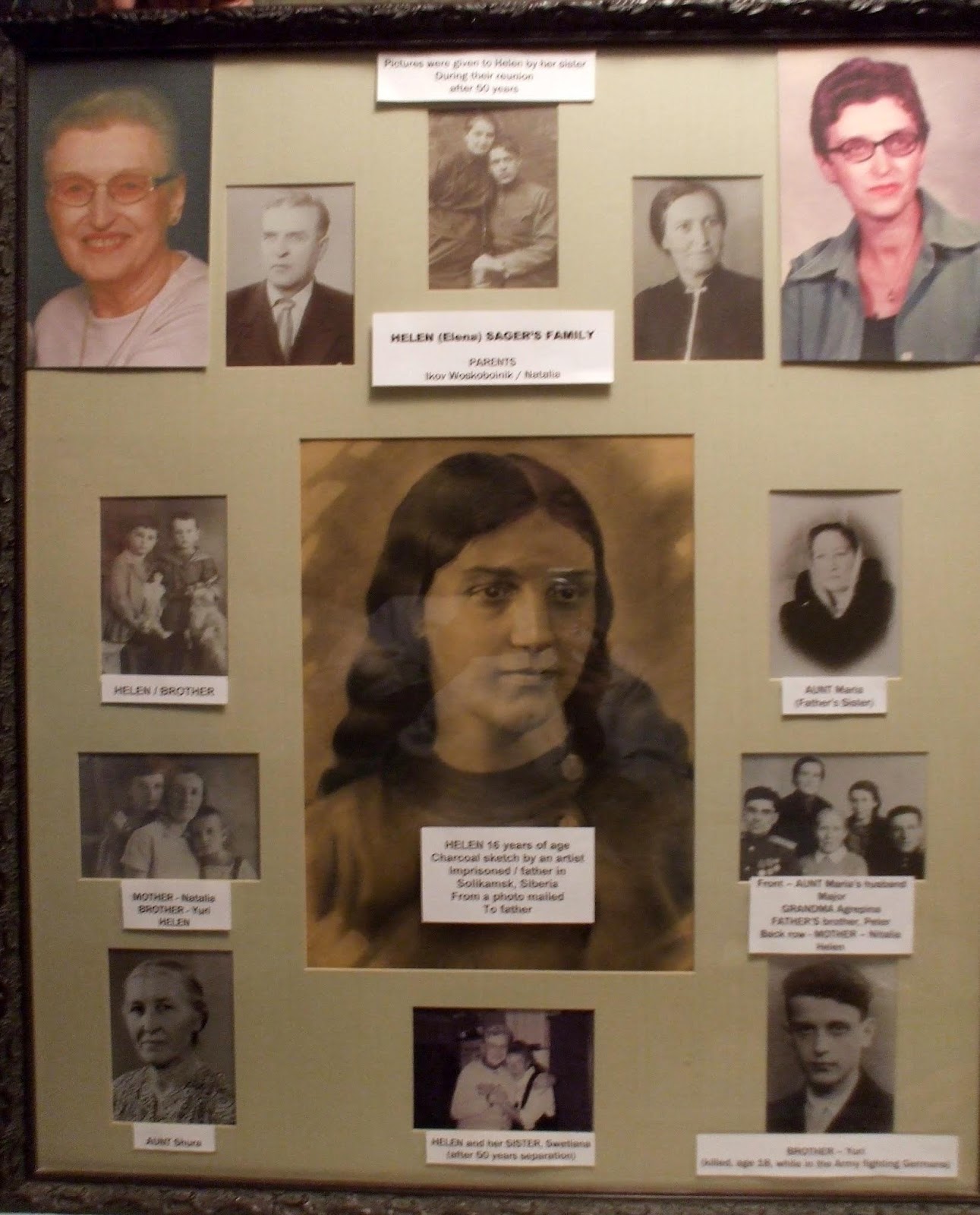
In our experience some people are always old. Grandparents are commonly at least fifty years old when you are born so they always were old to you. Years later you realize that there was a lot about them you did not know about that contributed to making them what they were. When Mom Helen came into our lives she was already close to fifty years old. She had a very unusual preparation for becoming part of the Sager family. God tells us in Scripture that adversity is one of his tools to refine and develop our character. Some people resist the process and become hard and bitter. God uses humble materials under the pressure of trials to make his jewels. This ties in with her account of her early years when we did not know her yet. She was born Feb. 15, 1924 in Kiev, Ukraine. Her last name was Woskoboinik for about twenty years, and her actual first name was Elena. She was the oldest of three, with a brother, Yuriy, and a sister, Svetlana.


Here is Helen's talk

This is part of a talk she gave many years ago.


Changing Our World

Long ago in a far away land there lived a little girl growing up with the belief that "Religion was the opium of the people” and that God was invented by the capitalists to enslave the poor.  The family lived in the capital of the country and were comfortable according to the living standards of their homeland and where people lived in very crowded quarters and conditions.  Both parents worked and the girl’s aunt took care of this girl and her two younger siblings


This girl’s life revolved around her own needs and interests.  She was a favorite of her father and was a very good student, always receiving awards for her achievements in schools.


One night there was a knock on their apartment door.  Strange men (KGB) walked in and took her father away without any explanation.  She was allowed to visit him in jail once, where he told her to never be ashamed of him, since he was innocent.  He was sent away to a hard labor camp and she never saw him again.  The family of six was forced to move out of their 3 room apartment into one room and they became a family of a political prisoner.


Three years later Germany attacked her homeland and the family moved (with all they could carry) to a small town to reside with her maternal grandparents.  The war raged on and the German army occupied their town.  Churches reopened after being closed for 20 years and her grandma took her to church.  She taught her the Lord’s Prayer and told her many bible stories from her memory, since the bibles WERE

FORBIDDEN.  There were no bibles available and this girl never saw one at that time.


This girl who always thought SHE was in CONTROL of her life didn’t realize that God was in CHARGE:  alive and powerful.  God is the only one that can cause a change!  HE CHANGED HER WORLD AND HER LIFE.  He chose her and she said “YES” and the Holy Spirit indwelling her heart led her from then on through her life.  Once armed with the Holy Spirit, she was able to make changes, not only in her life but the lives of others too.

 *************************

When Helen picked out Scripture for her service from the N.T. epistles it was 1 Peter 1:3-9. God used trials and loss to bring hope, glory and resurrection in her life story. The trials in Helens life began early as she was separated from her family in WW2 by the Nazis. Her faith was tried by fire to make her a woman who would bring praise and honor and glory at the appearing of Jesus Christ. Being justified by faith gives a different perspective and experience of trials – Romans 5:1-6. God’s Word promises that all things work together for the good of his people who love him. Rom. 8:28 After the war she could not return to her family. She met and married Bernie Roessler in 1946 who was in the U.S. Air Force. They moved to the U.S.A. in 1947 and they raised their two children in Savannah, GA. For the next thirty years her last name was Roessler. Helen loved the U.S.A. This was her adopted country. Like Ruth in the Bible she was taken far from her native country and spent the rest of her life here. Nothing but death took her away. 

Their son, Kenneth, recounted one of his memories of his mom.

 One of Kenneth’s memories of his mother.

 “Let me tell you about my mother, Helen Sager. 

 When I was about 3 years old, I caught Polio and was completely paralyzed on my left side.  I ended up in an iron lung in the hospital for several months just so I could breathe.  When I go out of the hospital I had no use of my left side.  I was completely paralyzed.  All the neurons that control the muscles had died from the Polio. 


My parents took me home and shortly after this my father, who was in the Air Force, was sent to Korea and my mother was left with a new baby daughter and me.  My Mom spent 3 years exercising every muscle on my left side, many times a day, until the neurons connected to the muscles and I could walk, ride a bike and use my left arm and hand.  If she had not worked tirelessly for those 3 years, day-in and day-out, today I would not be able to stand and talk about my Mom.  I would be sitting in a wheel chair, paralyzed on my left side from Polio.  I would not have served in the Air Force for 24 years and indeed would have lived an entirely different life.  I have my Mom to thank for my being here today.”


God used trials to strengthen Helen’s faith in God and mold her character. As I thought about what kind of woman she was many words came to mind: authentic, real, genuine, stable, steadfast, enduring, dependable, consistent, intelligent, capable, sensible, assertive, and strong. Helen had strong opinions, beliefs, determination and will. She was not easily impressed or swayed. She was not bashful about expressing herself. She understood the importance of words. On her mirror she had Proverbs 16:24 – ‘Pleasant words are as an honeycomb, sweet to the soul, and health to the bones.’ This reminded her of the importance of depending on the Lord to give her words that would minister healing and sweetness to others. What could be sweeter to the soul and give more health than our Lord Jesus? This brings us to the Scripture she chose for her service from the Gospels – John 14:1-7. Jesus is the only way to be right with God. Trusting entirely in his sacrifice for us on the cross by dying in our place to pay for our sins is the way to God, the truth of God you can depend on with all you are and have and the life of God that is forever. Jesus is the way, the truth and the life. Through him Helen came to God and was received by grace. God forgave her sins and gave her Jesus’ righteousness. The cross is the greatest sacrifice ever made. Jesus gave his life voluntarily to suffer for our sins so all who believe gain eternity with him in glory and eternal life now. He did not come to condemn but to save us from our sins.


Another trial came when her husband Bernie died in 1972. Her faith was still working. She married Dad in October 1974 and for the last forty years her last name was Sager. Life is not all trials. God blessed Helen with another family. Helen became a good wife to Dad and an important member of our family. She proved God’s promises in adversity and knew his shepherding care. God made her a special woman. 


After fifty years God allowed her to find her family while serving on a mission trip to Ukraine. In what she described as ‘Miracle of Miracles’ she found her family and was reunited with her sister, Svetlana and her old Aunt before she died. This was a very specific and wonderful answer to prayer.


In recent years we saw God’s faithful care through her loving husband, our Dad. God used her trial to bless and change her inwardly. The man she used to sometimes call, ‘Ogly American’ she regularly called ‘sweetheart.’ God’s Word says, 2 Corin. 4:13-18. Helen’s outward part perished before our eyes, but her inward part was renewed day by day as God promised. We heard her express her thanks for his loving attention and care. Helen became more humble, thankful and affectionate.


In her trials God taught Helen that Jesus is all you need for time and eternity. He is the way, the truth and the life. Despite losing her family and possessions she had Jesus by grace. God is indeed in control even when life seems so chaotic and cruel. Through the loss of health and physical capabilities and memory God continued to be with her. Jesus was all she needed. He was with her through all the fiery trials. His strength is made perfect in weakness. By losing your life you find it.


After living in the Ukraine (Pavlohrad), Savannah, GA, Avon Park, FL, Tallahassee, FL, Hudson, FL, and her beloved North Georgia mountain home in Blairsville with such beautiful scenery she is now home where she hears and speaks only pleasant words. After losing everything she has Jesus forever. She is with her family. God was faithful to her as he promised. His abundant mercy gives us the new birth in regenerating grace unto a living hope by the resurrection of Jesus Christ our Lord to an inheritance incorruptible, undefiled, and that fadeth not away, reserved in heaven for you.’ Trust Jesus to make you right with God. He kept Helen through faith unto salvation. Over these ninety years God prepared Helen to be presented faultless before God’s presence with exceeding great joy through Jesus. Praise be to God for his unspeakable gift of grace. The memory of the just is blessed. Remember how God was everything she needed through life and in death. Remember how God used trials to mold her character and make her a woman of faith and fruitfulness. Remember how God put his treasure in a vessel of clay so all the glory would be His. Remember that to be right with God is by faith alone in Jesus alone. These memories are truly blessed. We bless God for Helen. 

*******************************************************************

Helen and Dad began what became 'All Saints Lutheran Church' (Missouri Synod) in Blairsville, GA back in 1991. 


Reflections on 50 Years of Christian Ministry

 REFLECTIONS ON 50 YEARS OF CHRISTIAN MINISTRY Fifty years as an ordained minister of Jesus Christ 1976-2026 What a special day May 17, 2026...